25 Mar, 2026
Organ donation and transplantation are among the most complex and sensitive procedures in contemporary medicine, both from a clinical and an organisational standpoint. For this system to function, it requires highly specialised professionals capable of managing every stage of the pathway from donation to transplant. This is precisely the rationale behind the 4x6 Project, an initiative of the Italian National Transplant Centre (Centro Nazionale Trapianti) dedicated to training residents enrolled in Anaesthesia and Intensive Care residency programmes.
Leading the project on behalf of IRCCS San Raffaele Research Hospital and Vita-Salute San Raffaele University are Dr Maria Rosa Calvi, Dr Antonio Dell'Acqua, Prof. Giovanni Landoni and Prof. Giacomo Monti.
Ettore Alborino and Mariateresa Salvioni are in their final year of the Postgraduate Residency Programme in Anaesthesia, Intensive Care and Pain Medicine at UniSR, directed by Prof. Giovanni Landoni — a specialty they chose because it allows them to stay in daily contact with every aspect of medicine and clinical practice. «We both believe that the Anaesthesia and Intensive Care residency offers a complete perspective on what medicine and surgery are today. This work allows us to experience the ward, the operating theatre and the emergency department, and to maintain a comprehensive view of both disciplines, in constant dialogue with senior clinicians at UniSR and San Raffaele Hospital, who follow our progress very closely» they explain. Within this stimulating training environment, Ettore and Mariateresa had the opportunity to take part in the 4x6 Project, designed to provide training and raise awareness on organ donation, organ retrieval and the transplantation of organs and tissues.
What is the 4x6 Project?
The project combines clinical simulation activities, which replicate the various stages of organ donation and transplantation, with sessions dedicated to understanding the organisational framework that coordinates the transplant system in Italy. The aim is to train specialist doctors who can operate within the regional and national transplant network, fostering collaboration among the various professionals involved throughout the entire process, from the phase preceding donation through to transplantation.
One of the requirements for participation in the project was the availability of a university-based simulation centre for medical and surgical procedures, where participants could practise every stage of the pathway from organ donation to organ transplantation.
Clinical simulation and organ transplant training
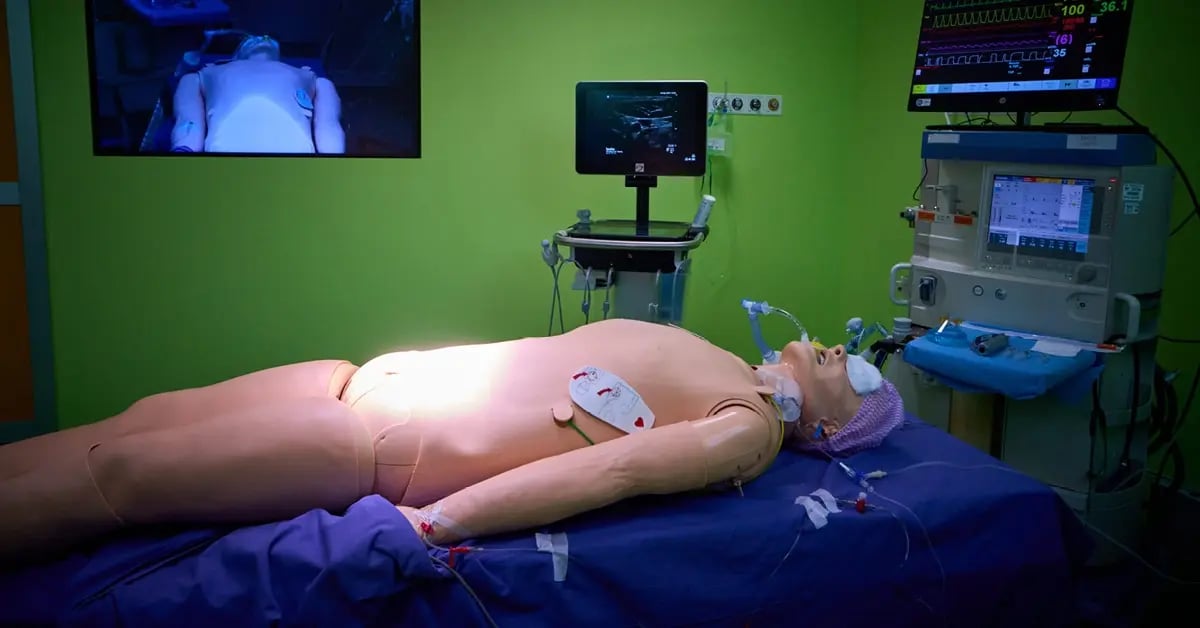
In this context, UniSR stands out for its innovative Simulation Lab (SimLab), an advanced clinical simulation centre that recreates the environments and equipment of the intensive care unit, the operating theatre and the associated control rooms. In the SimLab, medical and surgical residents can train by facing simulations of real emergencies, performing diagnostic examinations, conducting follow-up consultations and carrying out nursing and surgical procedures using high-fidelity interactive mannequins.
«Through the 4x6 Project, we practised in our SimLab across all the stages involved in organ donation and organ transplantation. Thanks also to teaching sessions led by professionals from other universities, we simulated liver, heart and lung transplants — all cases that San Raffaele, which specialises in pancreas and kidney transplantation, does not typically handle», Ettore and Mariateresa explain.
The experience was particularly valuable thanks to the interaction and discussion with participants from the residency programmes of the five other partner universities: the Universities of Ancona, Bologna, Foggia, Genova and Udine.
A complex organisational system
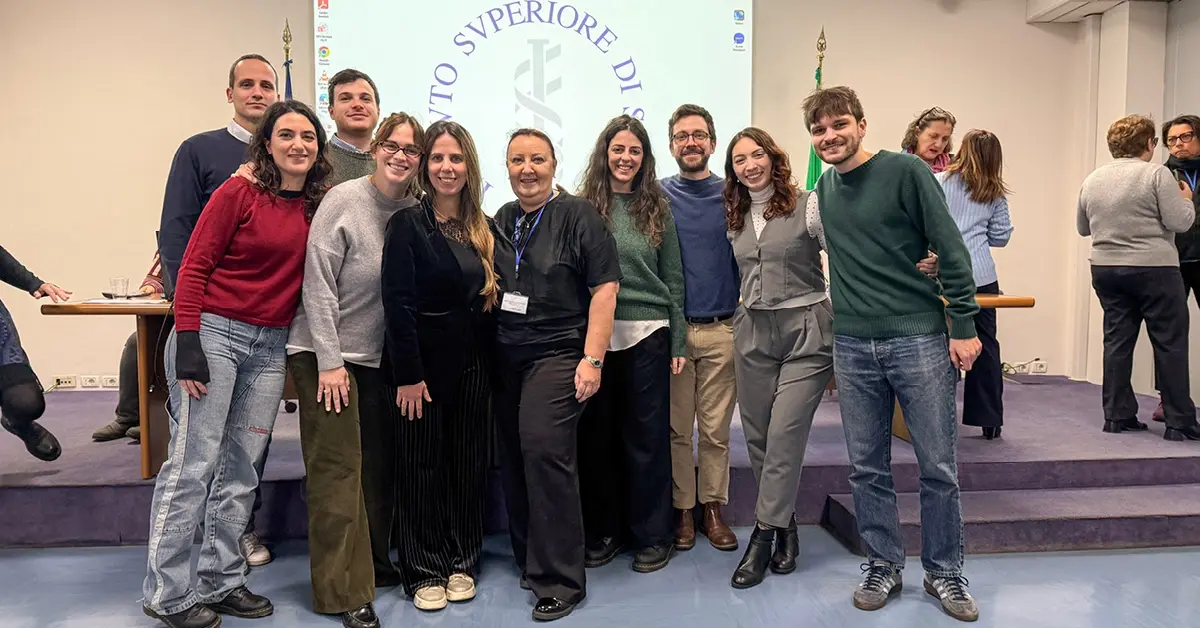
In the final phase of the project, all participants spent two days as guests of the Italian National Transplant Centre, based at the Italian National Institute of Health (Istituto Superiore di Sanità) in Rome. There, Ettore and Mariateresa were able to see first-hand the complex organisational system that manages organ transplantation in Italy — from the allocation of organs and tissues to the collaborative agreements that Italy maintains with analogous centres across Europe.
«It was very interesting to observe what they do at the National Transplant Centre. We also presented real organ transplant cases to an audience of professionals from the National Institute of Health and the other residency programmes. It was a wonderful opportunity that put us to the test, and it was also very moving» say Ettore and Mariateresa.
Organ transplant training also involves communication
Surgeons must not only perform procedures and follow protocols, they must also communicate with patients and their families with empathy, sensitivity and respect. «Thanks to the 4x6 Project, we addressed the topic of communicating with the families of a potential donor. How do you talk about the possibility of organ donation with people who are experiencing bereavement? What words and what behaviours are appropriate, while respecting the circumstances, the values and the wishes of those involved?»
These questions were explored through the teaching sessions of Dr Sara Mascarin, an instructional design professional at the Italian National Transplant Centre, who as part of the 4x6 Project taught participants about the most appropriate behaviours and language for interacting with people who are suffering yet are called upon to make sensitive decisions relating to organ donation, at a time of grief.
Raising awareness about organ donation
Italy is among the European countries with the most significant results in the field of organ donation and transplantation: the country ranks second in Europe for the number of donations, just behind Spain. According to the latest report from the Italian National Transplant Centre, approximately 4,200 transplants were performed in Italy in 2025, but by the end of October more than 8,000 people were still on the waiting list.
In recent months, the topic has returned to the centre of public debate, and the most recent data indicate a further increase in donations. In 2025, however, there was also a rise in refusals to donate recorded through the National Transplant Information System — a sign of how important it remains to invest in accurate information and public awareness.
«Choosing to donate can make a real difference for the many people awaiting a chance of treatment» explain Ettore and Mariateresa. «Awareness also comes through the training of healthcare professionals. That is why taking part in the 4x6 Project was, for us, much more than a clinical practice exercise: it was important to reflect on the psychological and communicative aspects that accompany these decisions as well».
For the two residents, the experience offered a different perspective on the profession itself. «When you start on the path in Anaesthesia and Intensive Care, you often picture the anaesthetist mainly in the operating theatre, in intensive care or in pain management. Through this project, we came to understand that our role also involves gaining a close understanding of the value of organ donation and organ transplantation — for patients, for families and for the doctors involved in this journey».
Written by

UniSR Communication Team
Thanks to the contribution of the various team members, the UniSR Marketing and Communications Service deals with the multiple communication areas of the University: news scouting, creation of news, audio and video, event organization, website management and institutional social media, drafting and publication of newsletters, support for institutional relations. The Service interacts with all the main stakeholders (students, teachers, technical and administrative staff, research community, territory) in order to support and potential communication (internal and external) of the initiatives related to teaching, research and public engagement.
Visit the author's page