Research & Innovation
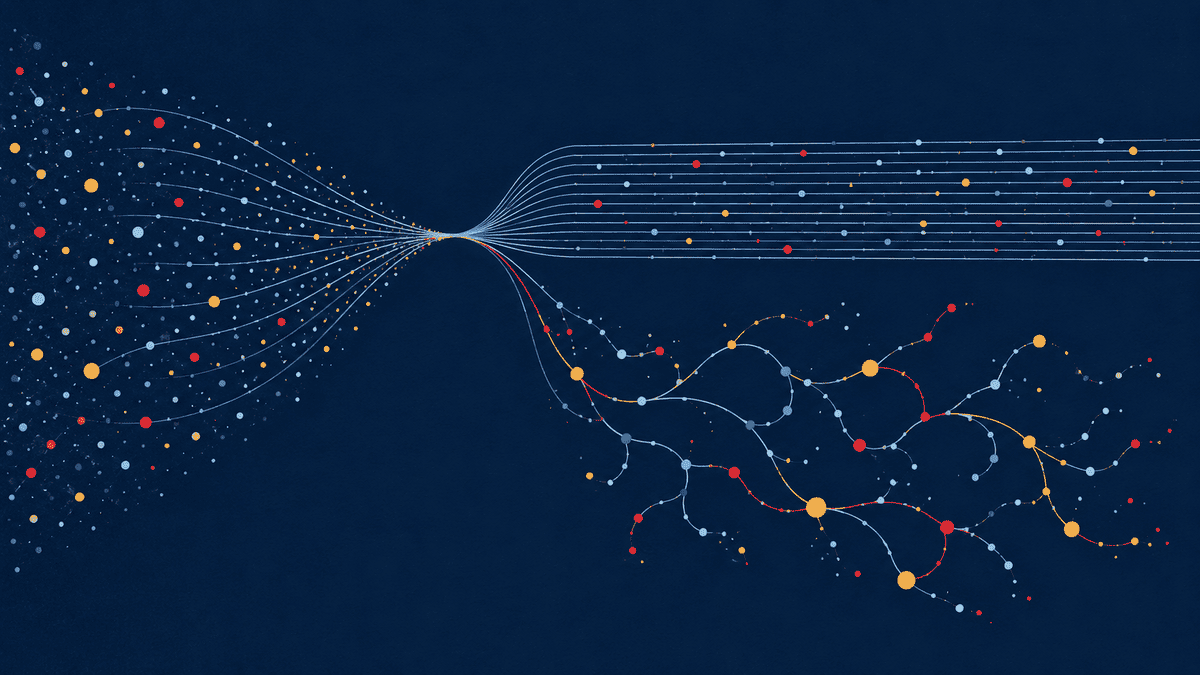
AI in Scientific Research: Heuristic or Muscular Use?
Among large Italian and European companies, 90% now use artificial intelligence (AI) mainly for one task: translating emails. Professor Telmo Pievani, philosopher of biology and evolutionary biologist, who joins the University of Milan on 1 October 2026, cited the figure in his lecture at the...

Research & Innovation
Psychological Impact of Breast Cancer: How to Communicate
The psychological impact of breast cancer can emerge before a diagnosis. It makes itself felt when a woman is invited for a routine mammogram and fear of the result leads her to put the test off, and it can stay with her throughout treatment, down to the way she comes to recognise herself in the...

Research & Innovation
Phenomenology of Pain: What It Is and How It Differs
The phenomenology of pain distinguishes localised pain from existential suffering, discusses lived time and empathy, and defines the difference between pain and suffering: what happens when we feel pain? We discuss it, on the occasion of Pain Awareness Month, with Professor Francesca De Vecchi,...

Research & Innovation
Corporate Purpose: What Philosophy Teaches Business
From how organisations relate to other people to the search for a shared corporate purpose, philosophy helps organisations tell simple change apart from genuine progress. We discuss this with Prof. Roberto Mordacci, Vice-Rector for Human and Social Sciences, Full Professor of Moral Philosophy and...
Research & Innovation
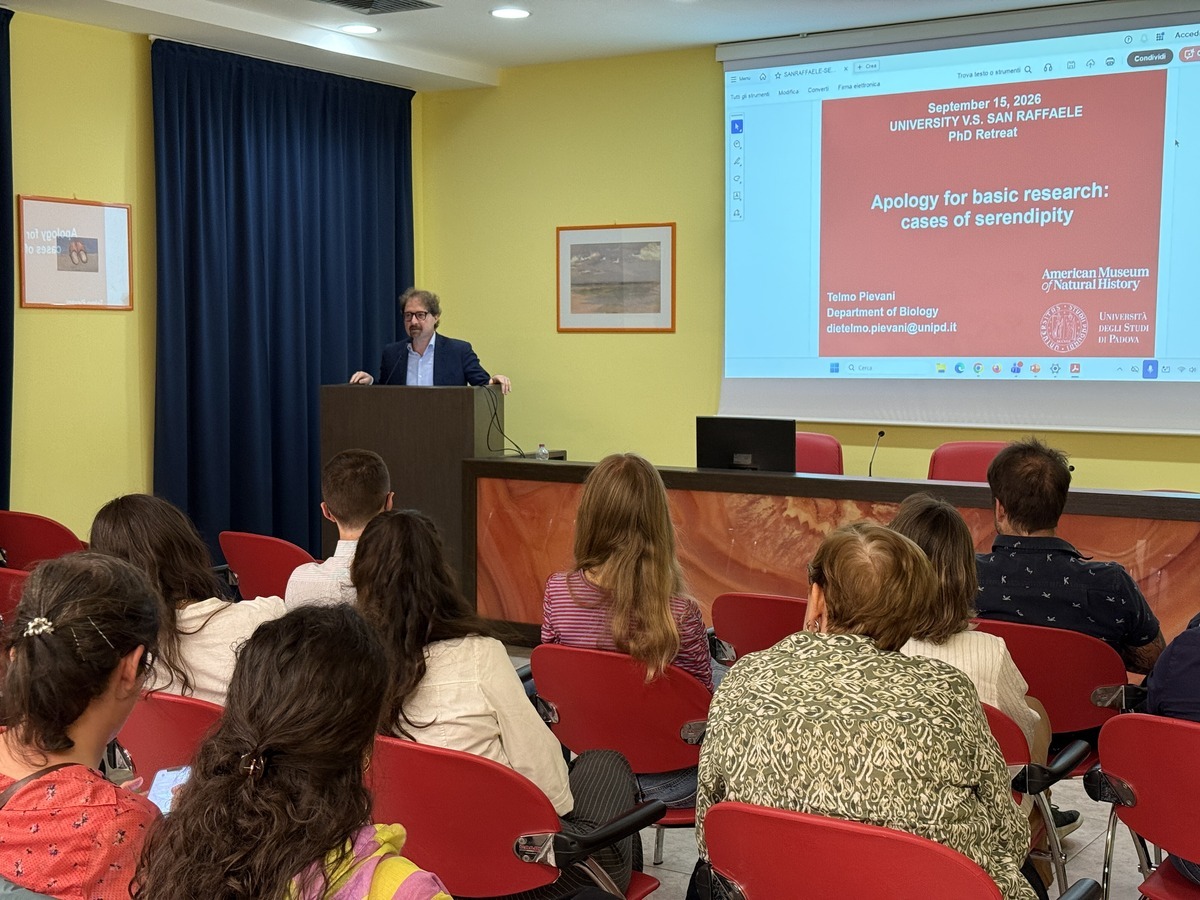
Serendipity in Science: The View of Telmo Pievani
Behind the word serendipity lies the tale of a lost camel in a Persian fable. As the story goes, King Giaffar of Serendip once dispatched his three sons into the world to gain experience of life. Along their journey, the princes encountered a man who had lost his camel. Before he could utter a...
Research & Innovation
The Ethics of Predictive Testing: Autonomy and Uncertainty
Predictive testing estimates the probability that a person will develop a given condition. For potential patients, that information can be valuable: knowing about a risk in advance can support prevention, guide lifestyle choices and allow earlier diagnosis, in some cases improving the outcome of...
Research & Innovation
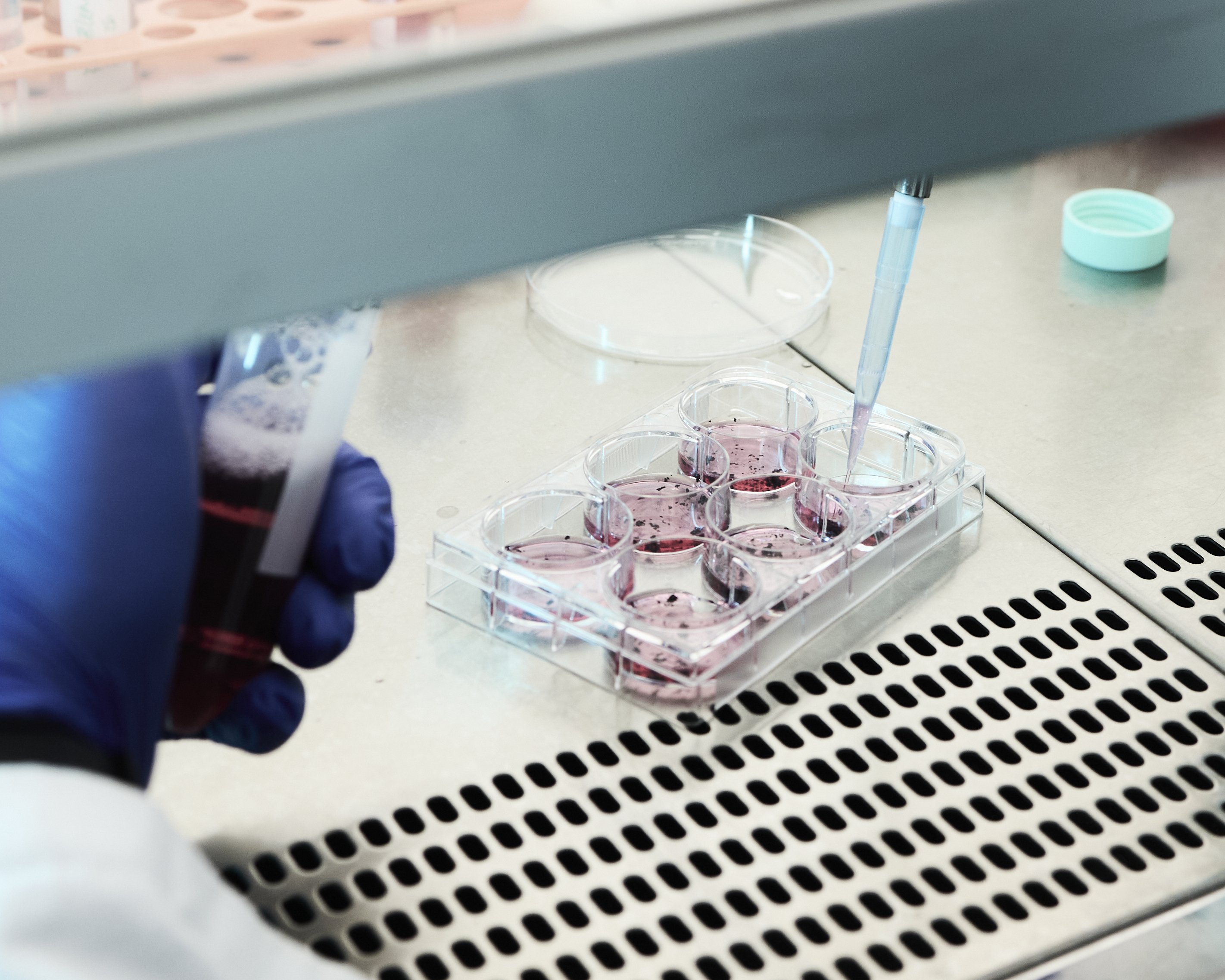
Biological Aging: What It Is and Why It Happens
Biological aging explains why life expectancy in Italy has doubled in just a century, rising from 40 to over 80 years. A century ago, families rarely lived long enough to see their grandchildren grow up, and adults barely past forty already looked elderly. Today the picture has changed: couples...

Research & Innovation
Early Alzheimer's Diagnosis: What Blood Tests Change
In May 2026, early Alzheimer’s diagnosis took a concrete step forward: several blood tests received CE marking in Europe under the IVDR regulation. That approval allows them to run on automated platforms in clinical laboratories, at a scale that wasn’t possible before. As recently as 2024, blood...
Research & Innovation
Immunology Research: Findings from UniSR-Tsinghua
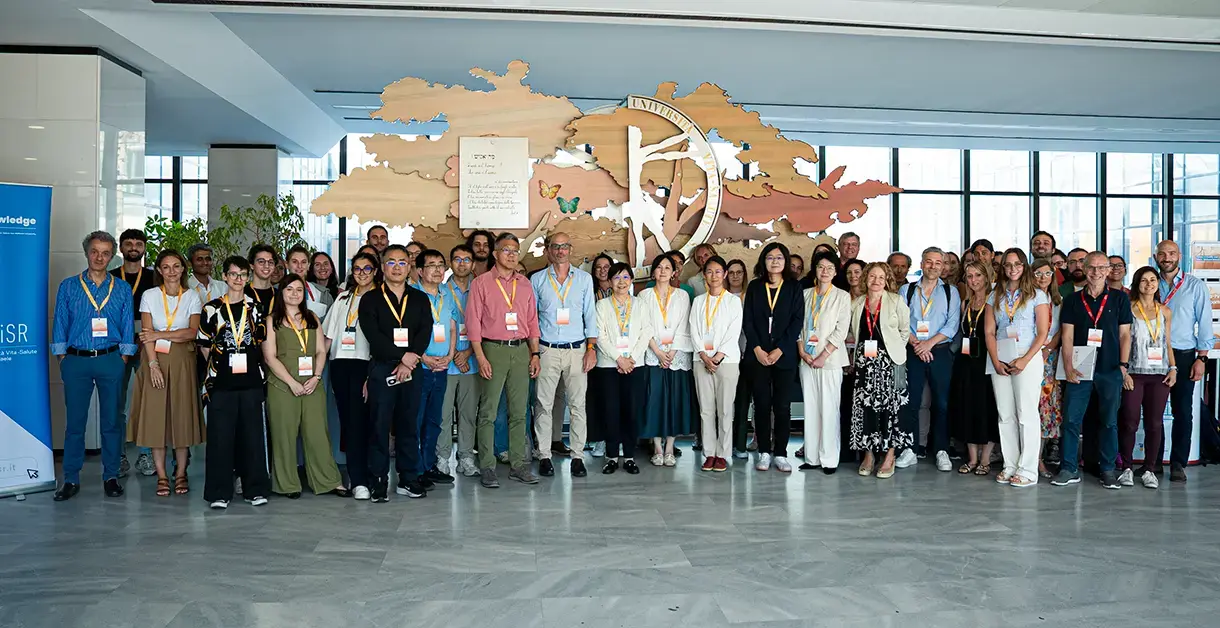
Immunology research is redrawing the very idea of the immune system: not a uniform army that tells friend from foe, but a set of responses that shift from tissue to tissue, and sometimes within the same organ. That was the throughline at Tissue Immunity and Neuro-Immune Interactions, the first...
Research & Innovation
Bundibugyo Virus: Why There's Still No Vaccine
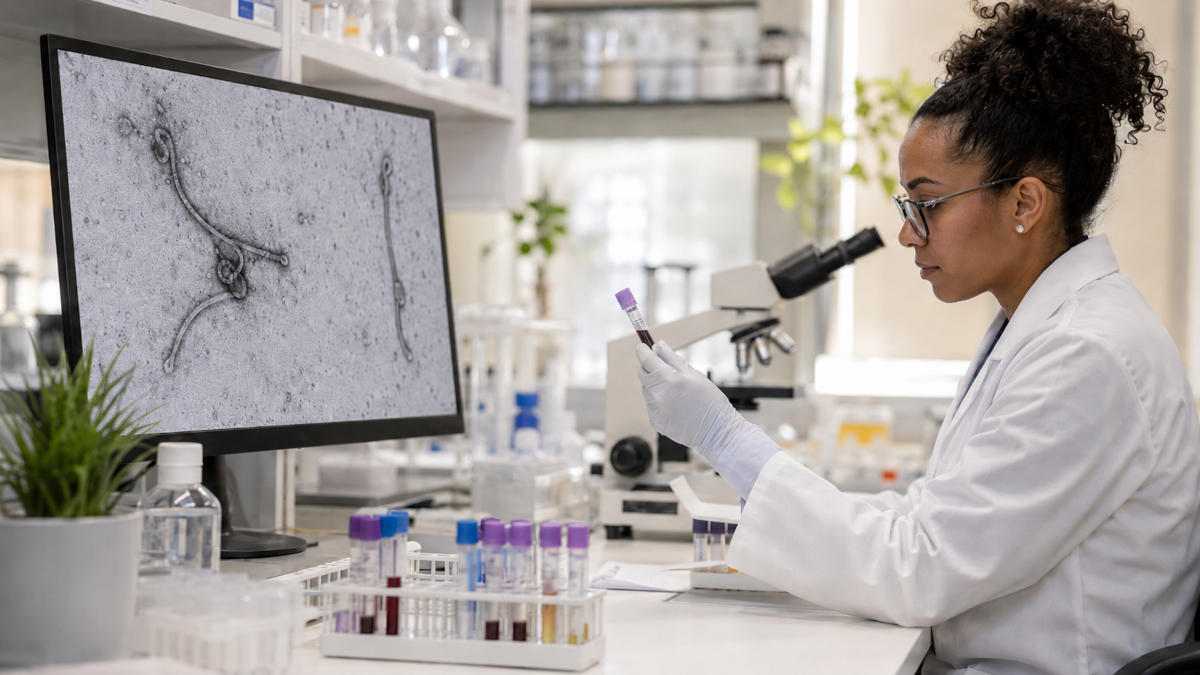
A new Bundibugyo virus outbreak in the Democratic Republic of Congo has brought attention back to one of the lesser-known species in the ebolavirus family. The World Health Organization has reiterated that the risk of international spread remains low for the general population. For the scientific...