
Research & Innovation
Eco-Anxiety: What It Is, Why It Happens and How to Cope
Eco-anxiety first appeared in a systematic report in 2017, when the American Psychological Association and ecoAmerica published “Mental Health and Our Changing Climate.” Since then, the age group most represented in climate-related psychological consultations has remained 16 to 24. It isn’t a...
Research & Innovation
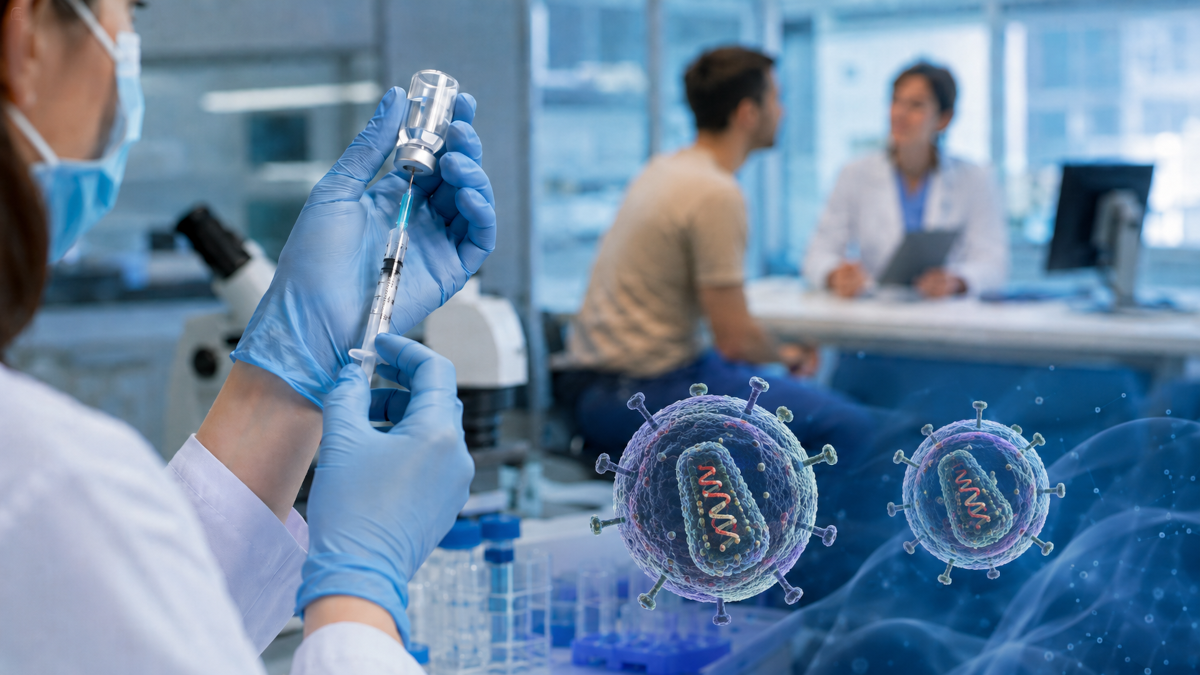
Long-Acting PrEP Now Reimbursed: HIV Research at UniSR
In May 2026, the Italian Medicines Agency (AIFA) approved public reimbursement for long-acting PrEP, the long-acting form of pre-exposure prophylaxis that prevents HIV infection in people who don’t have the virus but are at high risk of exposure. Unlike oral PrEP, which requires a daily pill, the...
Research & Innovation
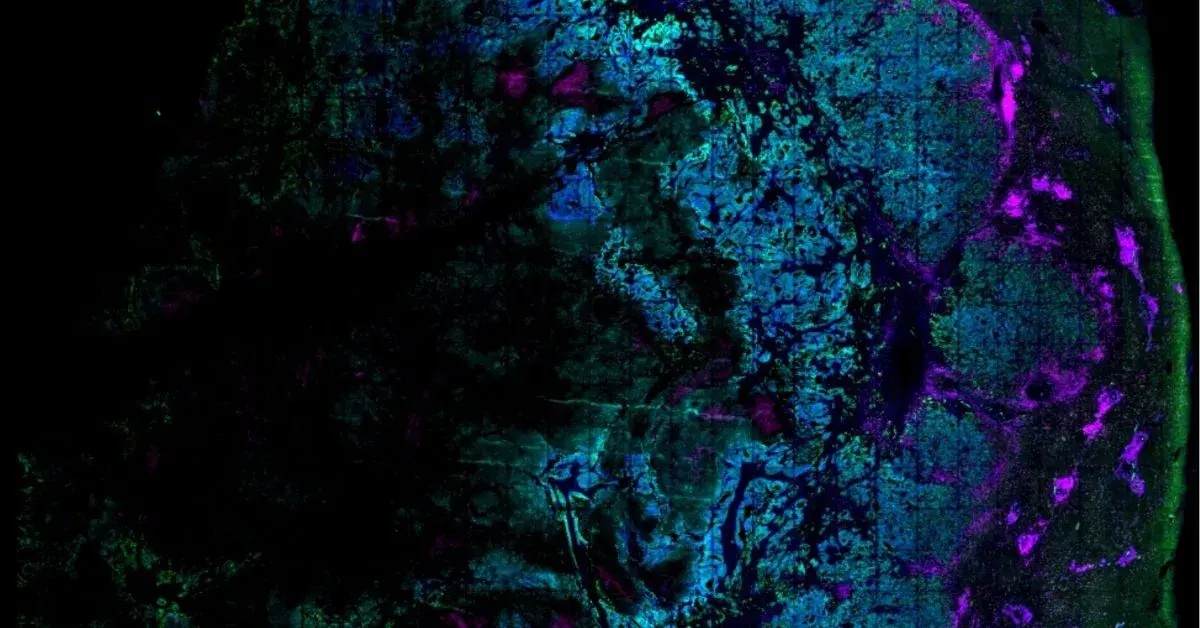
Omics and Multiomics Technologies: Definition and Uses
Omics and multiomics technologies are among the most dynamic fronts in biomedical research today: single cell omics emerged roughly a decade ago, while spatial omics is exploding right now. We spoke with Giovanni Tonon, full professor at Vita-Salute San Raffaele University (UniSR), where he also...

Research & Innovation
Time Perception: How the Brain Builds Its Clock
Time perception, the set of cognitive skills that govern how we process time (how much time has passed, for instance) and manage it, is already there in early childhood. As we grow, this sense of time sharpens, because the brain circuits dedicated to attention, working memory and emotion mature...

Research & Innovation
Bias in Medical AI: Types, Causes and Consequences
Bias in medical AI is a concrete problem: it means algorithms that return systematically wrong answers for some groups of patients more often than others. Understanding where it comes from means taking a step back first, to see exactly what bias is and how it differs from two concepts it often gets...
.jpg)
Research & Innovation
New strategies for the treatment of chronic hepatitis B
Chronic hepatitis B (HBV) remains one of the world's major public health challenges, and finding a functional cure for the infection is one of the toughest goals in virology today. More than 250 million people live with a chronic infection, at risk of developing cirrhosis, liver failure and...
Research & Innovation
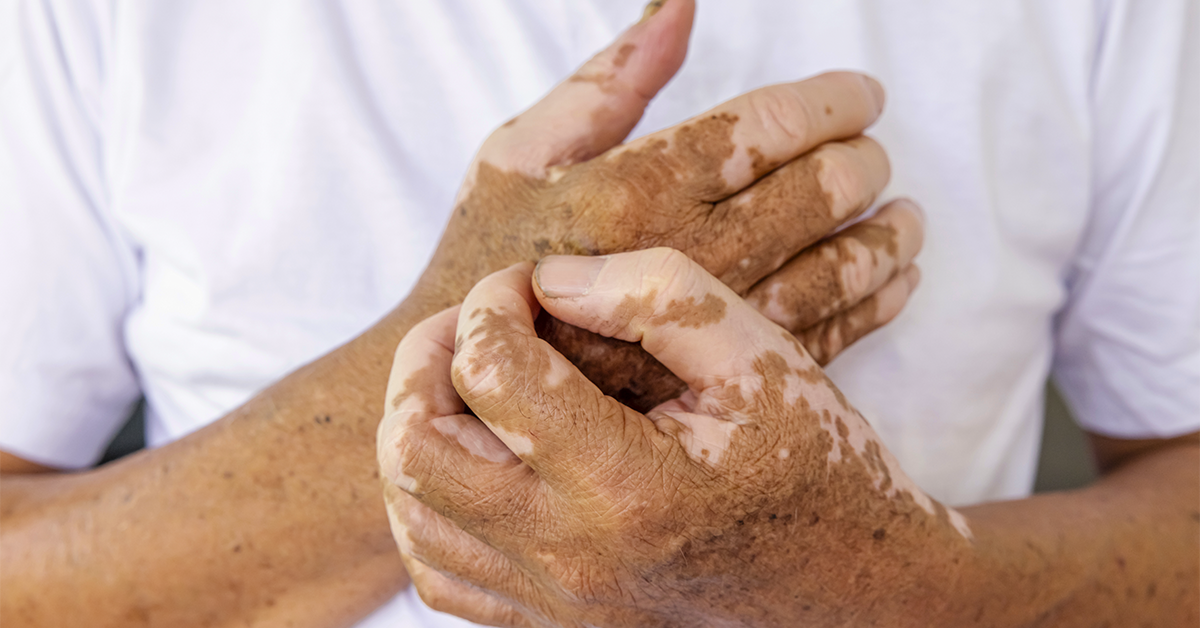
Vitiligo: autoimmune disease, genetics and JAK inhibitors
Vitiligo is an autoimmune disease that destroys melanocytes, the cells responsible for skin pigmentation, and affects between 0.5 and 2% of the world’s population. Behind the characteristic depigmented patches lies a complex network of biological mechanisms involving the immune system, genetic...
Research & Innovation
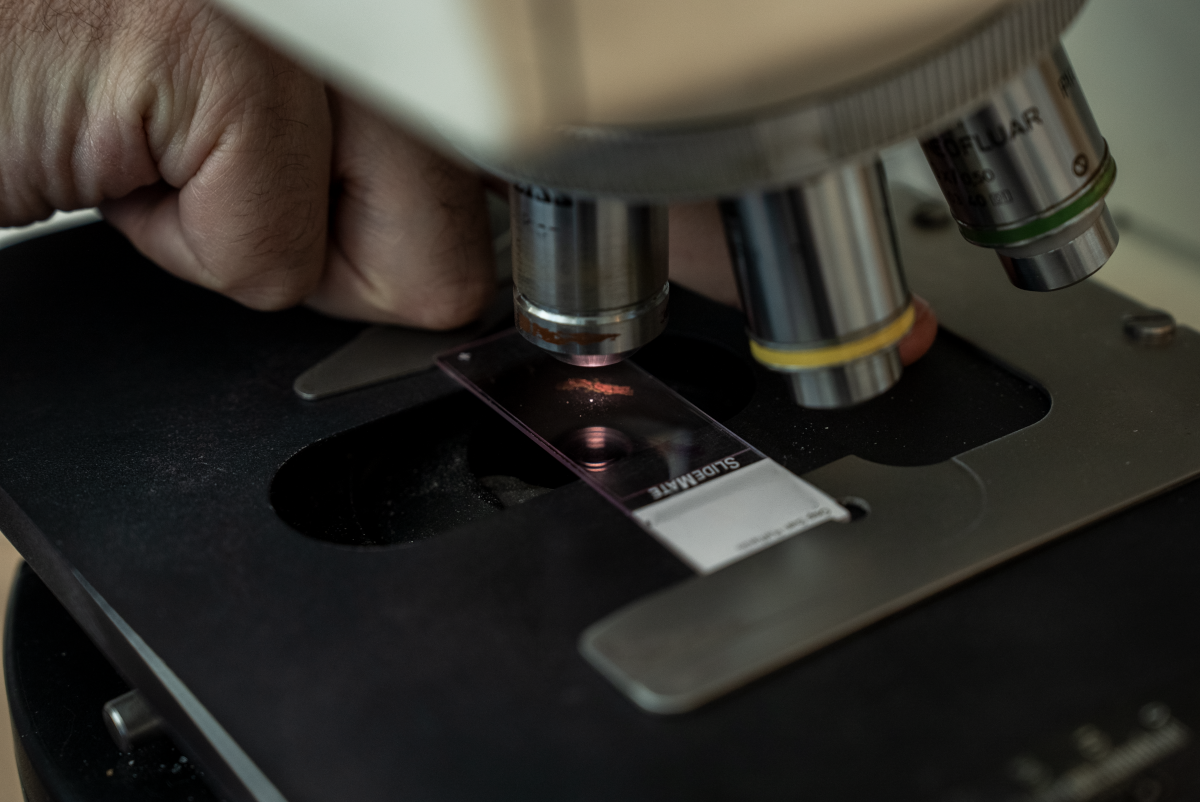
Hematologic Cancer Classification: Why It Matters
A century of oncology has established one principle above all others: accurate diagnosis determines treatment. Hematologic cancer classification is the infrastructure that makes accurate diagnosis possible. Today, under the same tumour type, pathologists can recognise more than 120 distinct...

Research & Innovation
An Aging Population as a Question of Justice
The aging population is often reduced to numbers: rising life expectancy, falling birth rates, pension sustainability, pressure on health systems. Yet behind the figures sits a question that public budgets and demographic indicators never ask directly: who has a right to the future?
Research & Innovation
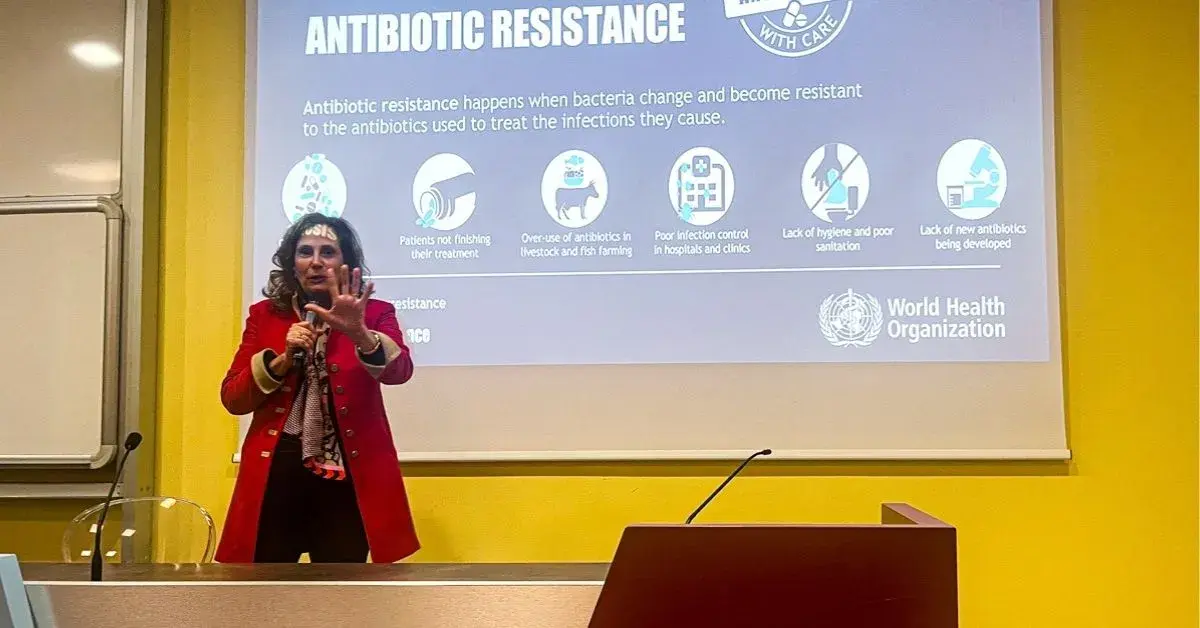
One Health and Circular Health: Approach to Global Health
One Health and Circular Health are two frameworks that are reshaping how medicine thinks about health, no longer as a problem confined to hospitals and laboratories, but as a systemic issue involving the environment, the economy, and society. That is the argument Professor Ilaria Capua, virologist...