
Research & Innovation
Artificial Intelligence in Medicine: the S-RACE Platform
The volume of research on artificial intelligence (AI) in medicine has grown sharply. According to a bibliometric review published as a preprint on medRxiv (Awasthi et al., 2024), the number of articles on AI and machine learning in healthcare indexed on PubMed rose from 3,351 in 2019 to 23,306 in...
Research & Innovation
Andes Hantavirus: What We Know, the Risks, and Open Questions
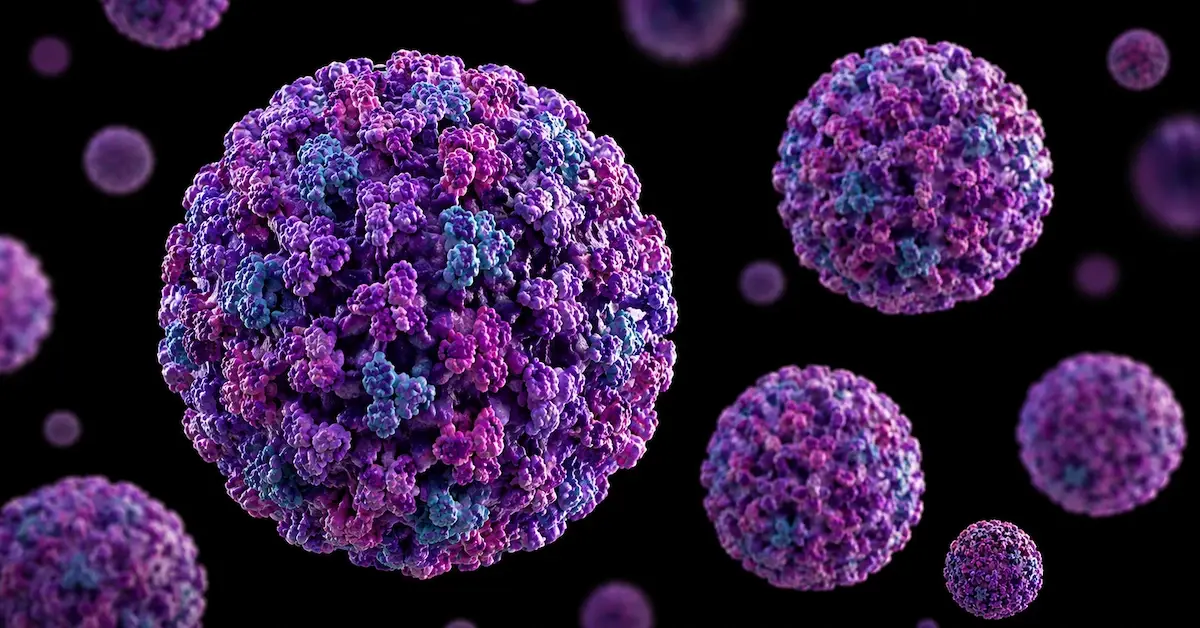
Andes virus is the only hantavirus for which sustained human-to-human transmission has been documented. That distinction sets it apart from all other members of the hantavirus family and explains why the outbreak recorded in April 2026 aboard the ship Hondius triggered a coordinated response from...
Research & Innovation
The blood-nerve barrier at the heart of the MINerVA project
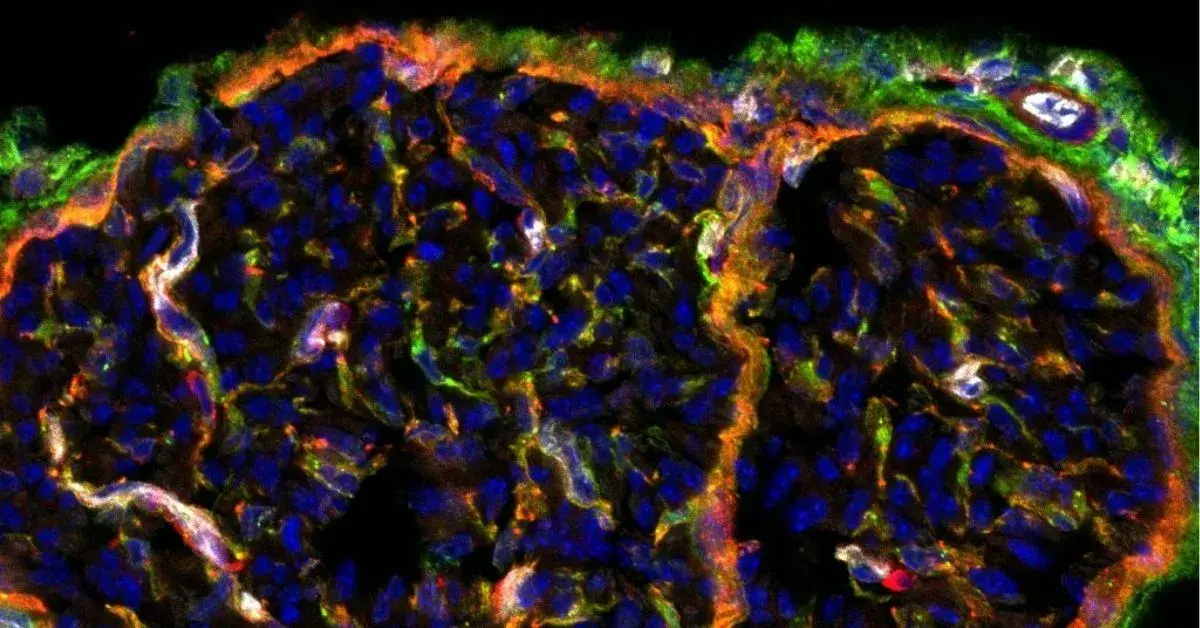
Although peripheral nerves can regenerate after injury, recovery is often poor in the elderly, in people with conditions such as diabetes, or after particularly severe trauma. The vascular system actively supports nerve repair by shaping the healing environment and protecting neural tissue through...
Research & Innovation
Psychedelic substances and psychiatric disorders
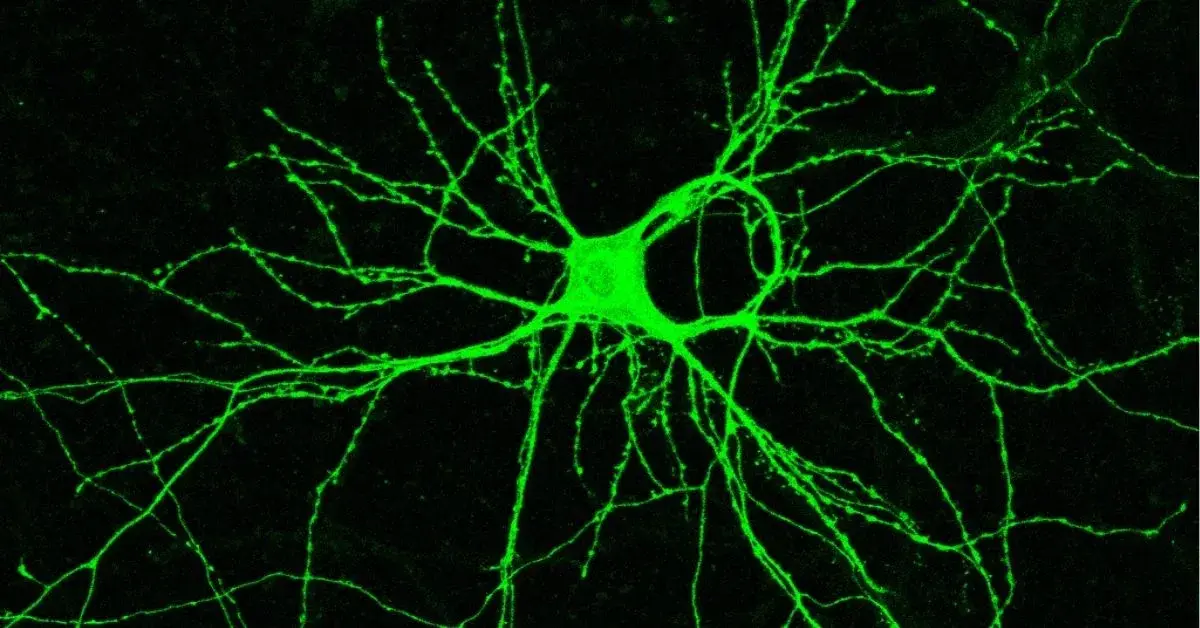
Treatment-resistant depression, substance use disorders, anxiety disorders: for some psychiatric conditions, existing therapies do not always suffice. It is precisely from this unmet therapeutic need that neuropharmacology research has, in recent years, been living what researchers call the...
Research & Innovation
Dental Implant Research: Visconti Finalist in Washington
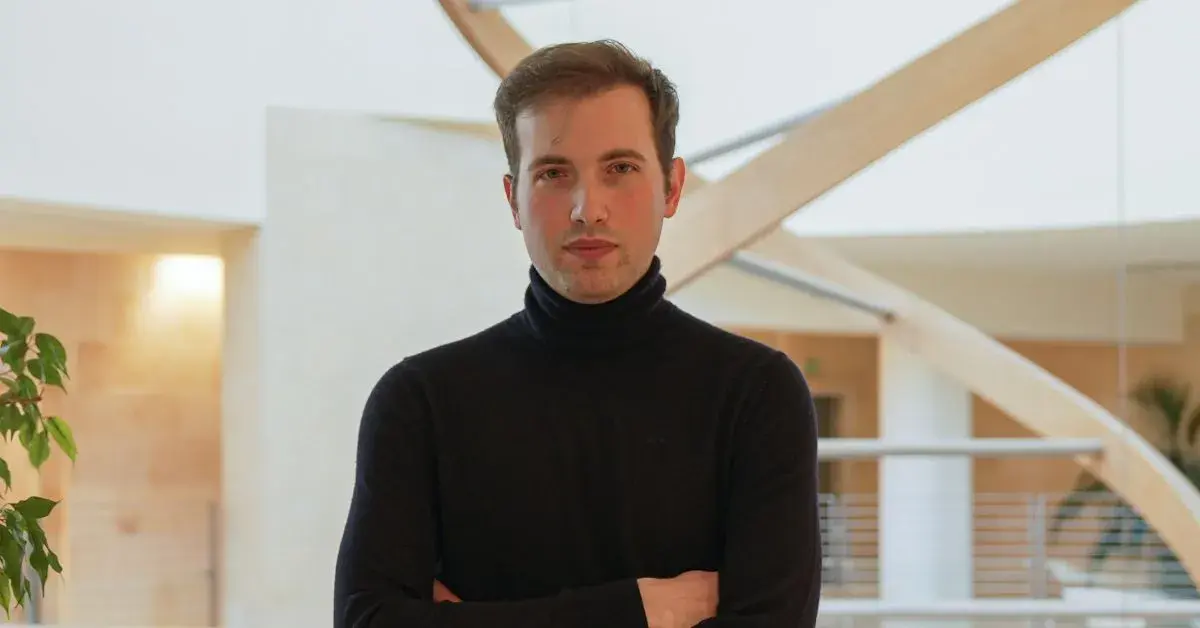
Riccardo Federico Visconti graduated in Dentistry and Dental Prosthetics at Vita-Salute San Raffaele University (UniSR) and trained in implantology. A decade later, his multicentre randomised clinical trial was selected as a finalist for the best scientific contribution at the Academy of...
Research & Innovation
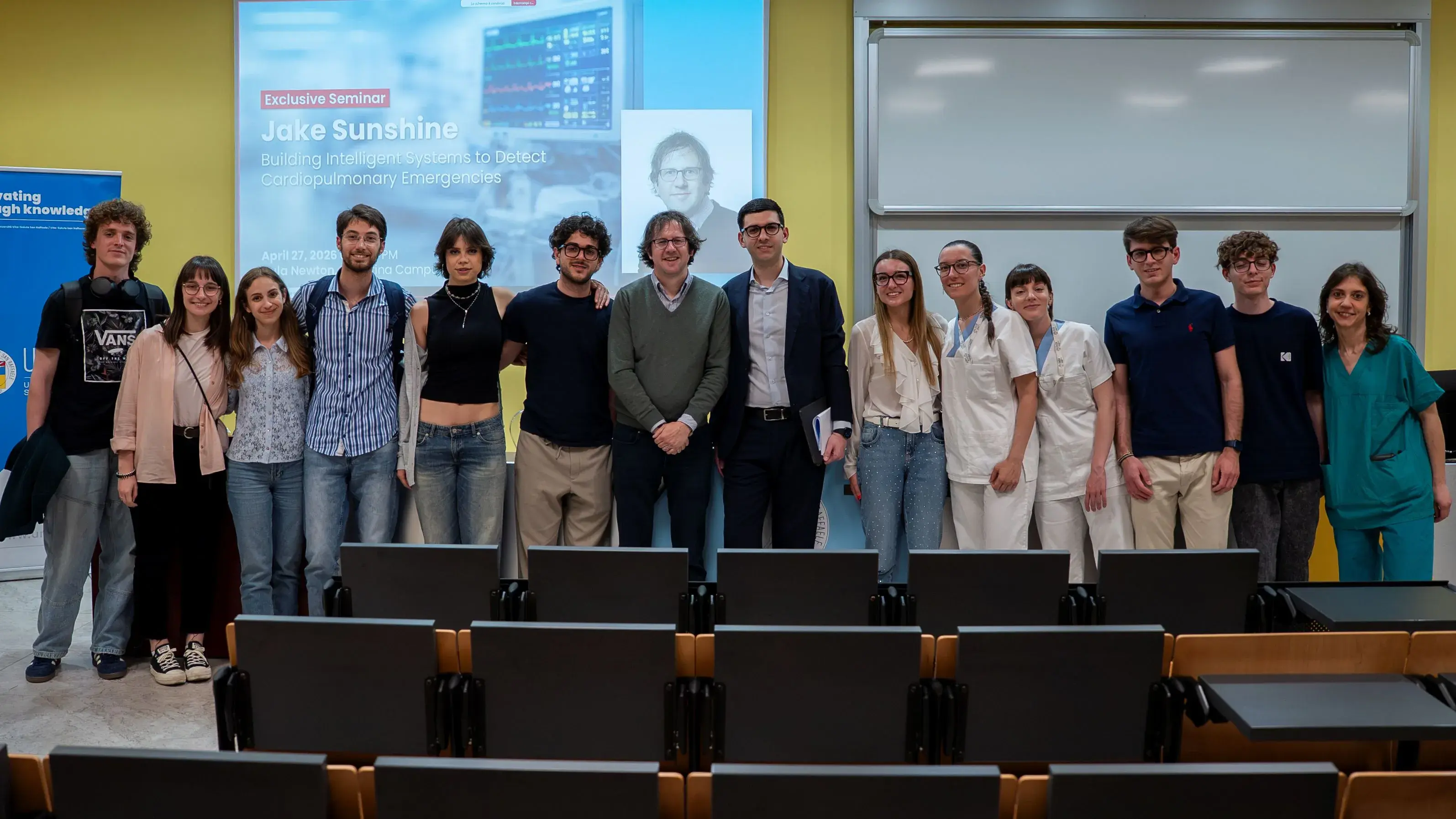
Loss of Pulse: the Smartwatch That Calls for Help
Loss of pulse is the most critical signal of cardiac arrest. According to the American Red Cross, survival odds fall by 10% for every minute CPR and defibrillation are delayed. Every year, millions of people worldwide die from cardiac arrest, and nearly half of all events occur without witnesses,...
Research & Innovation
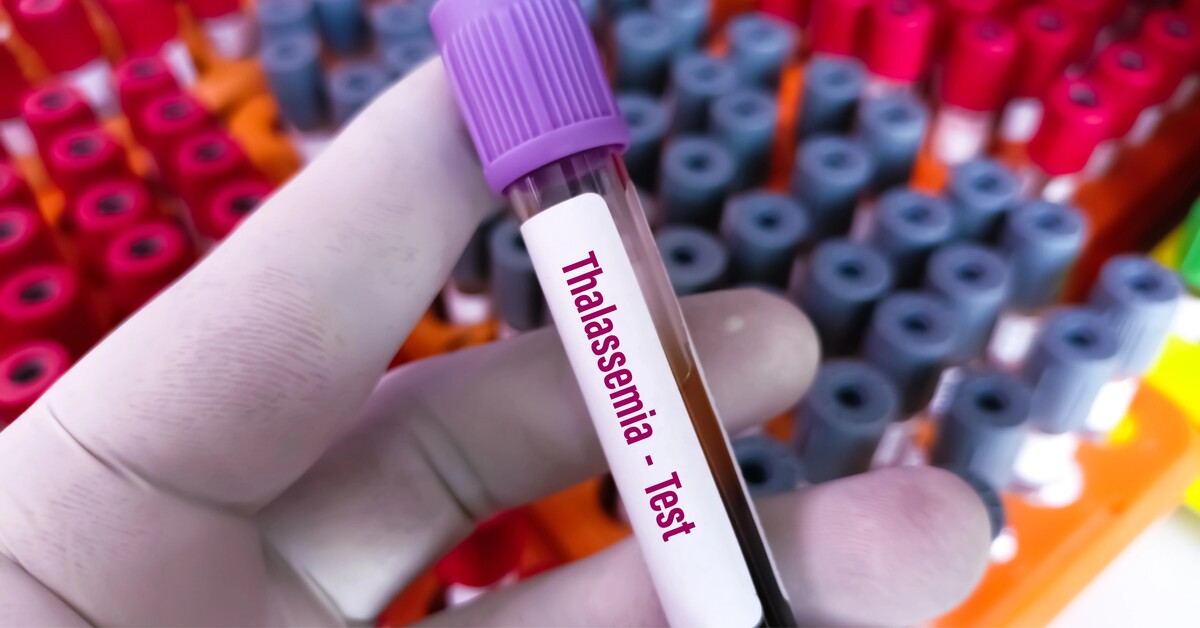
Thalassemia Gene Therapy: Lentiviral Vectors to CRISPR
The gene responsible for thalassemia was identified with precision by the late 1980s. That early clarity made thalassemia gene therapy one of the first candidates for direct DNA intervention, and decades of research have since moved it from laboratory hypothesis to approved therapy. Two advanced...
Research & Innovation
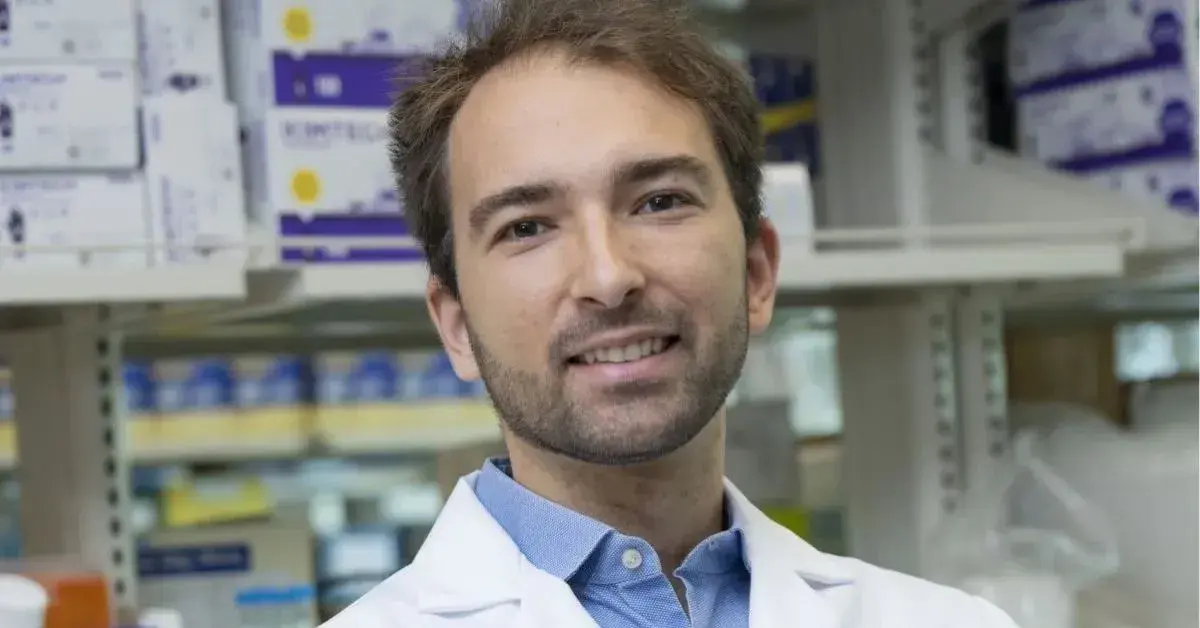
Liquid Biopsy Early-Stage Colorectal Cancer in Young Adults
In the United States and several European regions, colorectal cancer incidence among adults under 50 has been rising steadily. This age group was long considered low-risk, yet it now accounts for roughly 10–15% of new diagnoses, and the underlying causes remain largely unknown. «In Italy, this...
Research & Innovation
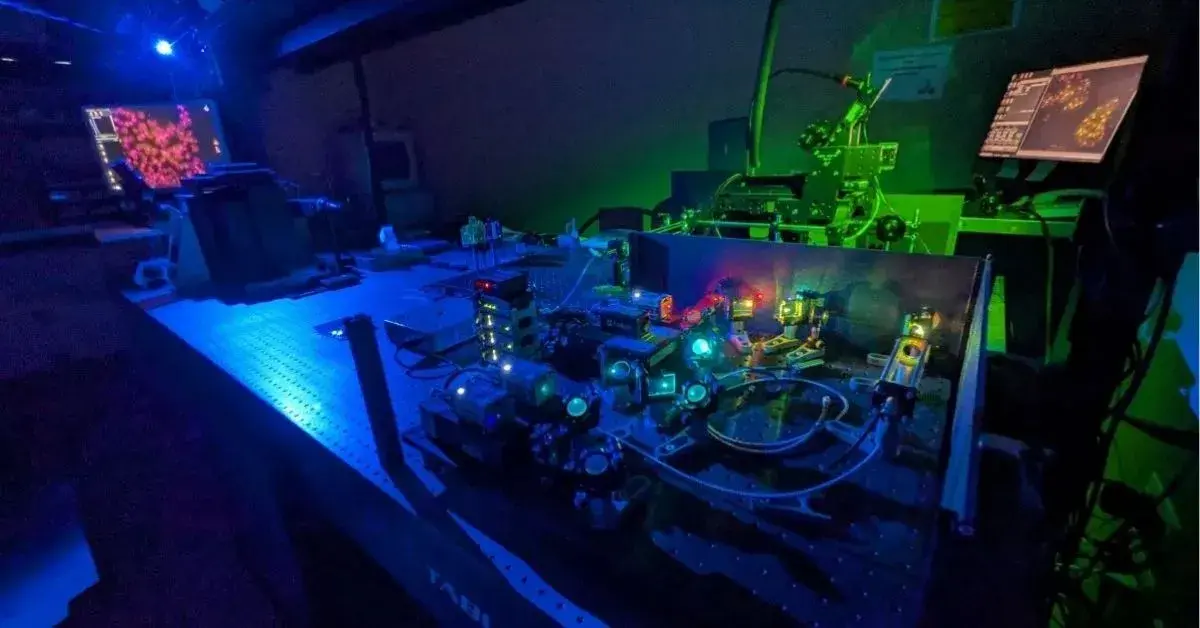
p53 Role in Chemotherapy Resistance: New Research
The TP53 gene is mutated or inactivated in approximately 50% of all human cancers, making it the most frequently altered tumor suppressor across cancer types (Olivier et al., 2010). Yet mutations alone do not fully explain why some tumors resist chemotherapy and radiotherapy while others respond....

Research & Innovation
Counterspeech against Online Hate: the ACTION Project
Counterspeech, the practice of responding to harmful or hateful content online, is one of the most debated strategies for reducing toxicity on social media. But does it work? And if so, under what conditions?